Small brands.
Eight ads from one angle for the price of a few credits, tested for $150, so the feed tells you which hook to keep before you spend real money.
 See the course ↗
Learn to make honest product ads with AI: three hooks, two bodies, a demo, a labelled presenter and two ugly statics. Then run a $150 Meta test and read the result without lying to yourself. Twelve written lessons, every prompt included.
Try the learning studio ↗AI AD LAB · SELF-PACED · ONE-TIME PURCHASE · AD SPEND AND TOOLS ARE SEPARATE
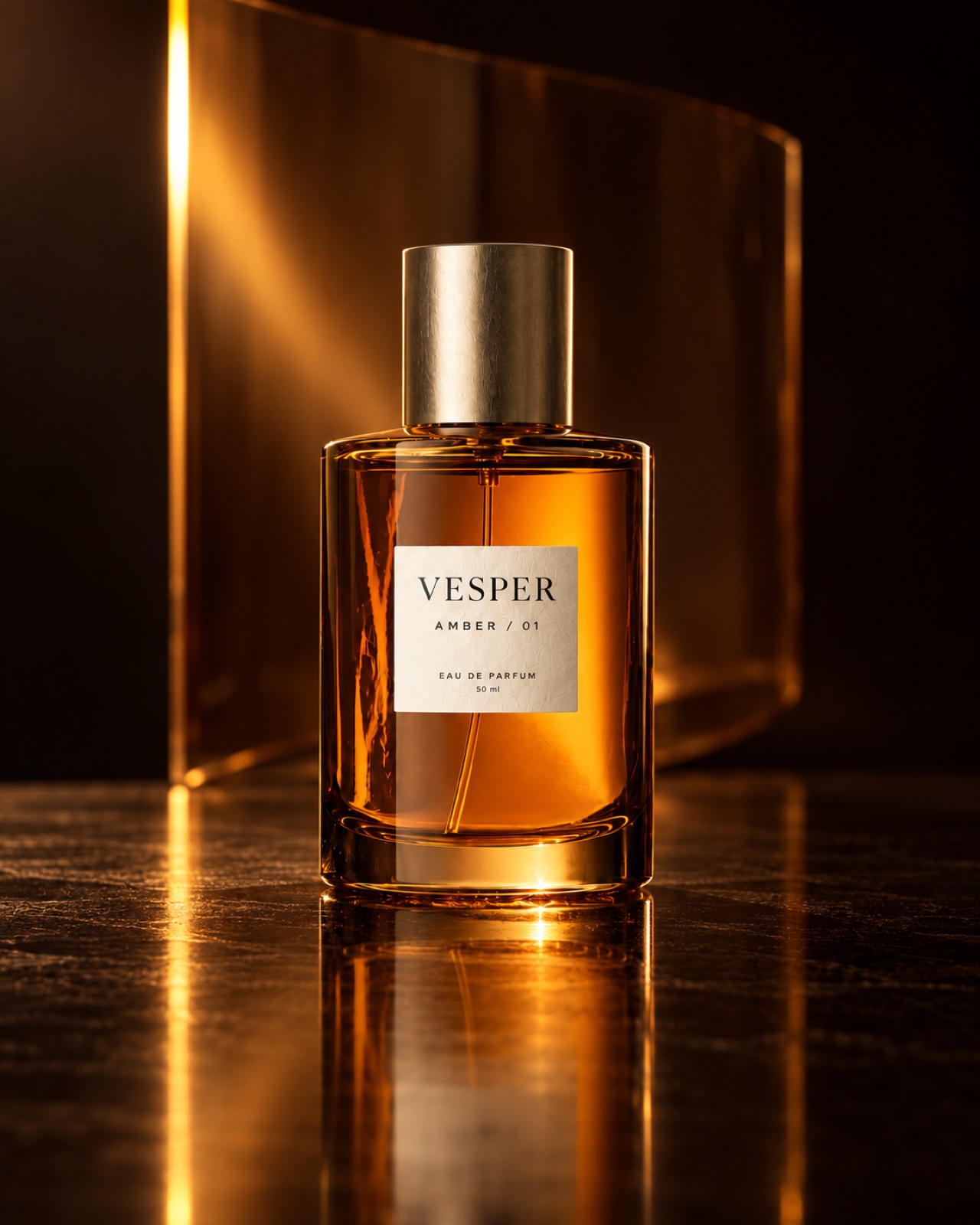
"Nine hours. One wrist." The proof is a phone clock at 7:02 and 18:10 on the same wrist, from a real wear test.
HONEST ADS. TESTED, NOT GUESSED.
Eight ads from one angle for the price of a few credits, tested for $150, so the feed tells you which hook to keep before you spend real money.
A six-ad test pack with a plan, a compliance pass and a read-out is worth $300 to $900 to a brand that has been guessing. The last lesson is the offer.
Half of consumers say they prefer brands that avoid AI in ads. So the course teaches the formats that hold up (demos, hooks, labelled presenters) and the rules that keep your account.
01 / THE METHOD
An ad is three seconds that earn the next twelve. You will write one angle with a proof, split it into three hooks and two bodies, make the six ads from stills you already have, and let a $150 test choose. VESPER and NERI are fictional brands used throughout.
The still becomes frame one; Kling 3.0 moves one thing for five seconds; the hook sits on top in the safe zone.
One motion per clip: the hand lifts the bottle two centimetres and sets it down. The label stays readable or the take is rejected.
A licensed avatar presents the serum and says what is in it. It never says "I used it". "AI presenter" stays on screen; the caption says so too.
One real photo, one true sentence, the price. In a feed full of polished AI, plain is contrast.
AI-generated concept brands. VESPER fragrance and NERI serum are fictional; no results are implied.
Read a free lesson: the rules that end careers ↗
One angle, six ads, $150, four days, three piles: kill, keep, remix.
02 / THE COURSE FRAMEWORK
Twelve written lessons, each with the prompt to copy, what to look for when it comes back and the fix if it is wrong. The stack costs under $100 a month; the test costs $150.
The swipe file from the Ad Library, the anatomy of an ad, hook-rate maths and the 2026 stack.
Five angles with a situation, a promise, a proof and an objection. No proof, no angle.
FTC testimonials, New York and EU disclosure, Meta and TikTok labels, likeness, music, claims. A presenter, never a customer.
Three hooks by two bodies by one call to action, spoken-length, every shot in brackets.
Eight stills, four five-second clips with one motion each, Kling 3.0 for cheap and Veo 3.1 for sound.
The 15-second timeline, captions in the safe zone, CapCut export to spec.
A licensed avatar that presents and never testifies, with the label on screen and in the caption.
Text on photo, the comparison, the ugly note. A substantiation line for every claim.
Naming convention, UTM sheet, export specs, a landing page that repeats the promise.
One campaign, one ad set, eight ads, $30 a day, hands off for four days, AI toggle on.
Hook rate, hold rate, click-through, cost per result. Kill, keep, remix. Round two is three ads.
The one-page offer, the price range, the rights and disclosure clause, the fictional portfolio, three messages.
From angle to read-out in two weekends and $150.
INSIDE THE LESSONS
The question: "Does your fragrance survive lunch?" The call-out: "If you wear one scent to work…" The contrarian claim: "Amber is a daytime scent." The number: "Nine hours on one wrist." The mistake: "You are spraying it wrong." Under eight words, on screen at frame one, provable.
Read the full lesson ↗An AI avatar may present, explain and demonstrate. It may never say "I bought this" or "it worked for me": since October 2024 that is a fabricated testimonial under the FTC rule, and since June 2026 New York requires a visible disclosure for any synthetic performer. The lesson gives the script prompt that refuses first-person lines and the two disclosure lines you paste every time.
Read the full lesson ↗One campaign, one ad set, broad, $30 a day, eight ads, five days, hands off. Day one tells you nothing; Meta spreads budget unevenly while it learns. Day four gives you a few thousand impressions on the ads it liked, which is enough to read the hook rate, and that is what the test was built to read.
Read the full lesson ↗Hook rate under 15%: kill. Over 25% with a click cost near the best: keep. Hook works but hold rate under 30%: remix the body, one change. Two purchases against zero at 2,000 impressions each: noise, say so. Round two is three ads, not eight.
Read the full lesson ↗03 / YOUR AD TOOLKIT
AI AD LAB / BY NIK VANDERKAMP
Work with your own product through twelve written lessons. Paste the prompts, make the eight ads from stills you already have, run the $150 test and read the result with fixed thresholds.
$29 USD · one-time purchase
Learn here, then make the ads in Higgsfield, an avatar tool, ElevenLabs and CapCut, and run the test in your own Meta or TikTok account. Tool subscriptions and ad spend are separate. Written lessons, not recorded videos.
Explore the twelve-lesson course in this local preview. The order flow is a demo; live purchases are not open.
BEFORE YOU JOIN
No. Lesson 5 gives you enough to make the stills and clips. If you own AI Photo & Video Lab or AI Product Campaign Lab, you already have the stills and the reference method, and this course starts faster.
The opposite. Synthetic customer testimonials are banned under the FTC rule and must be disclosed under New York and EU law. The course teaches product demos, hooks, honest presenter ads with the label on, and statics, which is where AI holds up in the data anyway.
About $50 to $100 a month in tools (Higgsfield, one avatar tool, ElevenLabs on a paid plan, CapCut free) and $150 of ad spend for the test. All paid to those providers, not to us.
The course teaches you to find the hook the feed prefers and to read the numbers honestly. Sales depend on the product, the offer, the price and the page. A $150 test reads hook rate, not purchases; the course says so in every lesson that touches money.
No. Sora closed in April 2026 and its API closes in September. The course uses Kling 3.0 and Veo 3.1 through Higgsfield, and tells you when Runway, Luma or Seedance would matter later.
Lesson 12 is the offer: the six-ad test pack, a realistic price range, the rights and disclosure clause, and how to build a portfolio with fictional brands before you have a client.
Live purchases are not open yet. The buttons let you review the course and rehearse the buyer flow without a real payment.
LEARN TO TEST, NOT GUESS